In the high-speed digital economy of 2026, retail success depends on your ability to be visible across every major shopping platform. Brands that apply multi-channel ecommerce software are better positioned to capture diverse audience segments and maintain a dominant market presence. However, expansion brings logistical complexity that can stall growth if not managed correctly. Adopting omnichannel ecommerce software allows you to unify these disparate channels into a single, high-performing ecosystem, ensuring that your operational standards remain high even as your volume increases.
Why Multi-Channel eCommerce Automation Matters in 2026
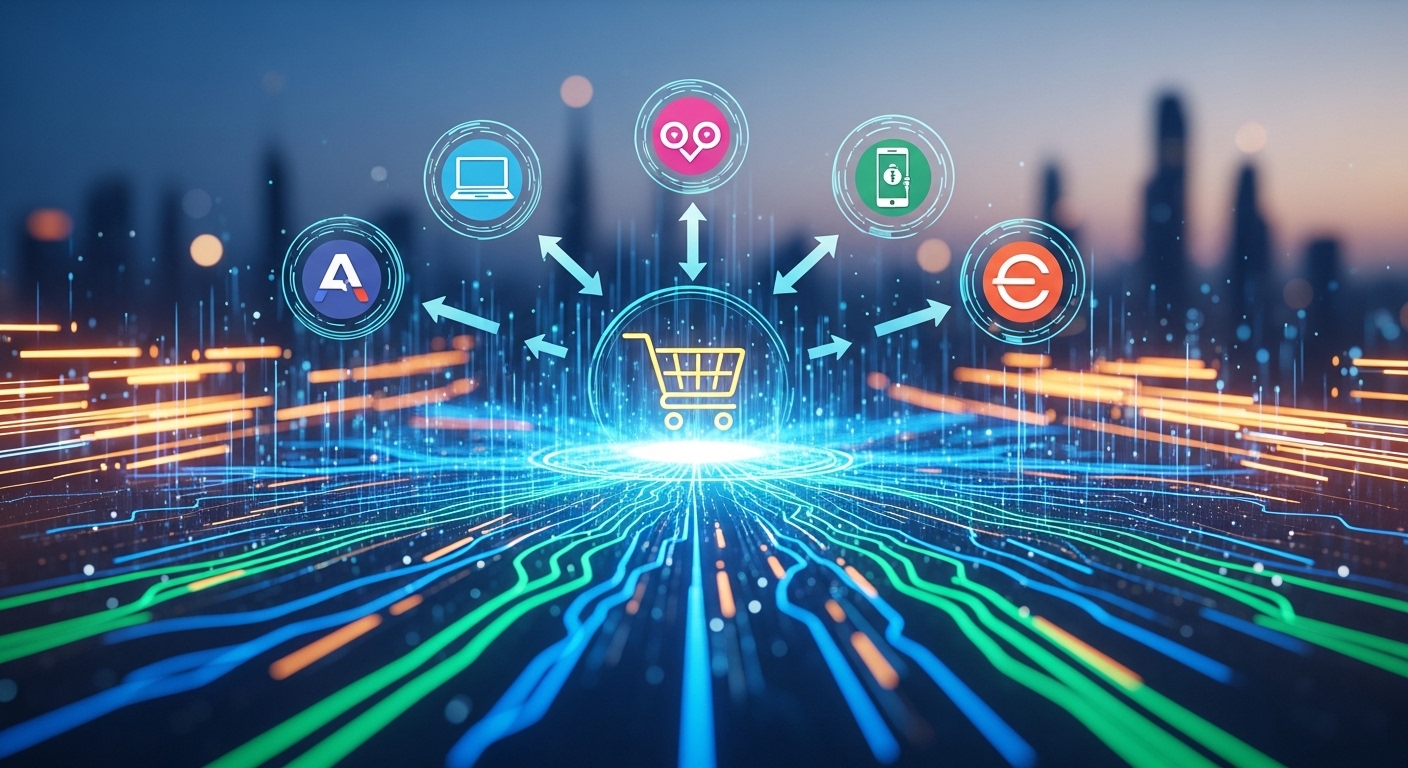
The transition toward total digital integration has made manual data management a significant liability for modern brands. Consumers today demand real-time stock accuracy and rapid fulfillment, regardless of the platform they choose for their purchase. By employing e-commerce automation tools, businesses can bridge the technical gap between their warehouse and their various storefronts. This technology eliminates the repetitive tasks that often lead to human error, allowing your team to focus on innovation. Without a strong system, the friction of manual updates will eventually limit your market reach.
The Challenge of Managing Multiple Marketplaces
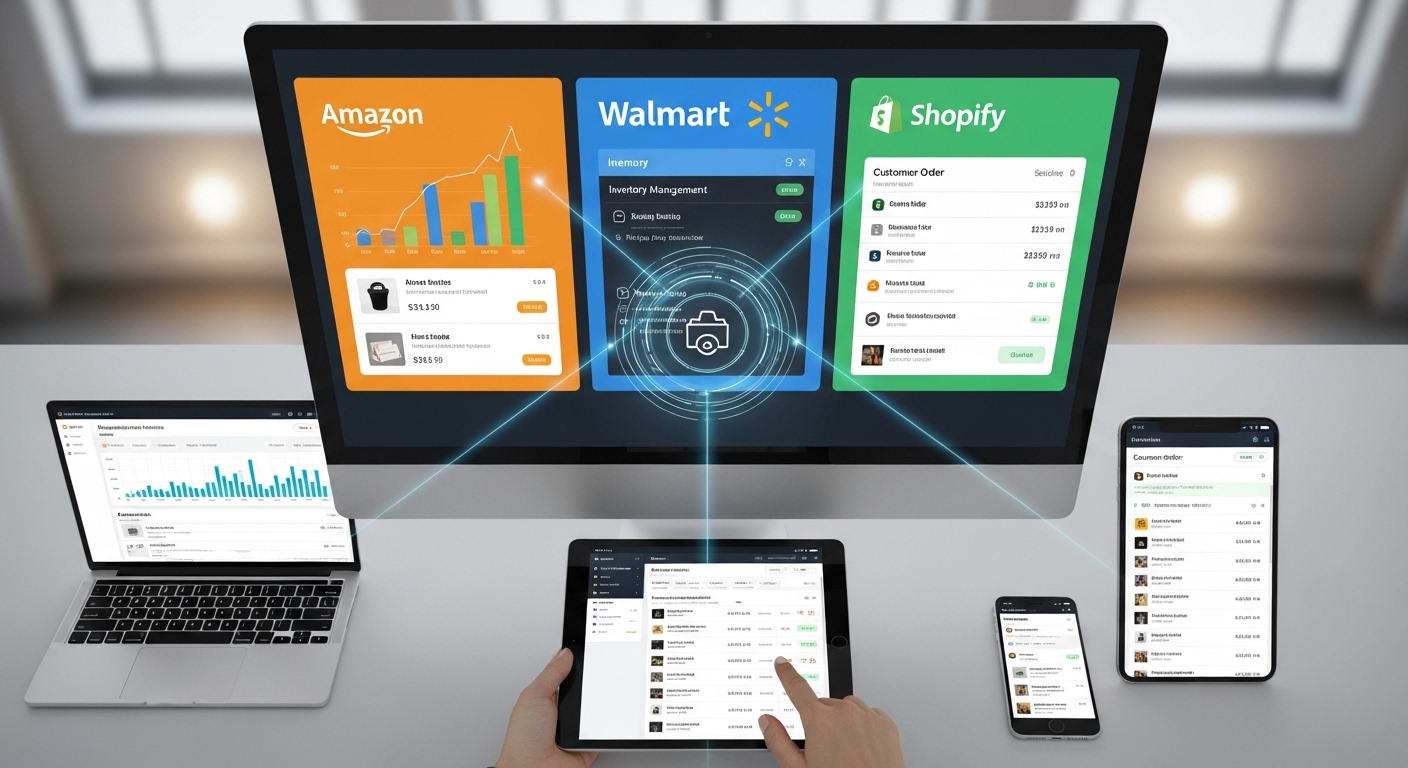
Operating on several platforms simultaneously introduces complex logistical hurdles that can quickly become overwhelming for any size of team. Maintaining consistent product data and stock levels across diverse digital storefronts is much easier when eBay automation is synchronized to update listing and buyer notifications. Each platform, from the rigid standards of Amazon and Walmart to the customization of Shopify, requires specific oversight. A centralized ecommerce management system solves this by pulling all data into a single dashboard, ensuring that you aren’t wasting time reconciling inconsistent spreadsheets.
Benefits of Centralized Automation
Consolidating your diverse operations creates a “single source of truth” for your entire business infrastructure and reporting. Managing high-traffic periods effectively requires reliable server-side communication, and many Shopify automation are built to trigger instant stock adjustments and customer confirmation emails without manual intervention. This approach streamlines multi-channel order management, allowing orders from every source to flow into one fulfillment queue. This level of efficiency is what allows a lean organization to handle a high volume of transactions without sacrificing the quality of the customer experience.
Key Features of a Multi-Channel Automation System
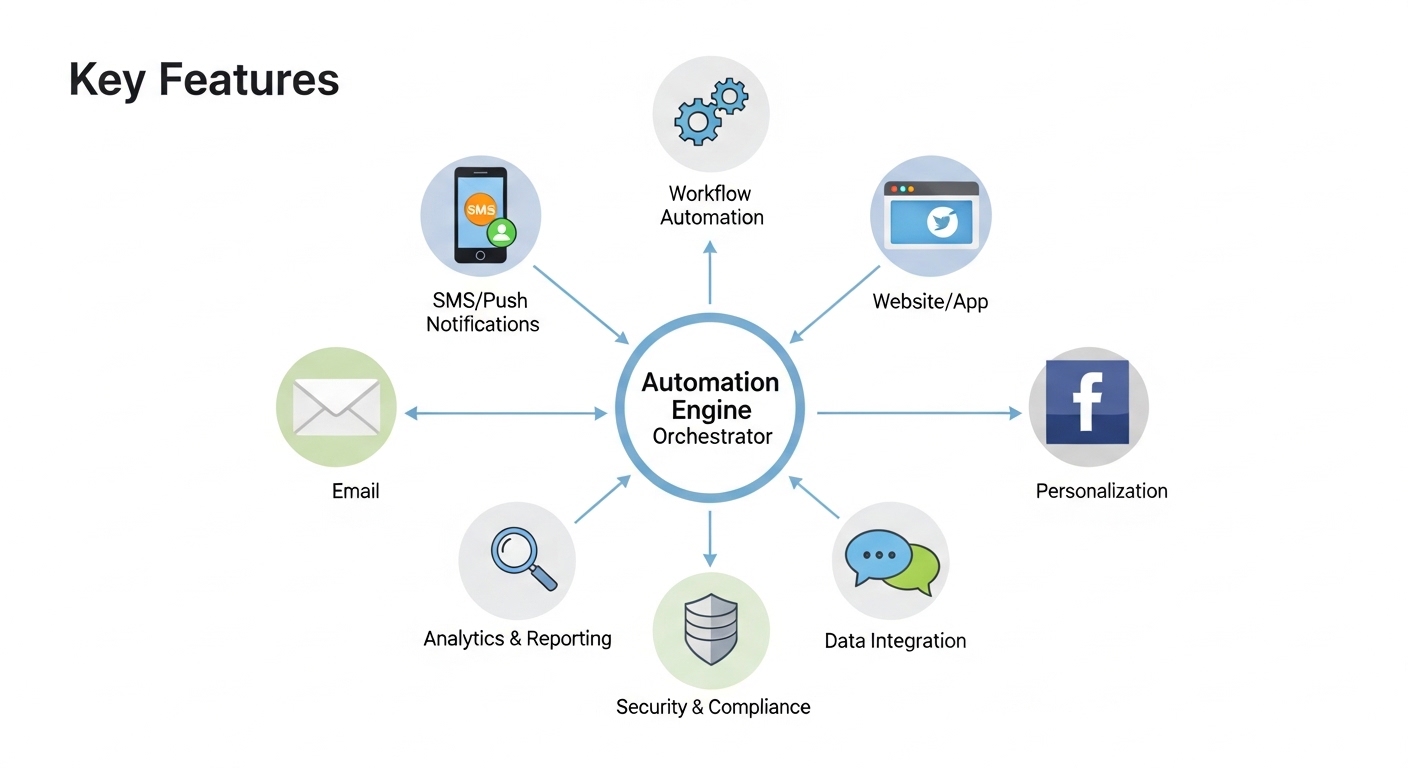
Not all software solutions provide the same level of depth or connectivity. To stay ahead of the competition, you need a multi-channel ecommerce software suite that offers deep API access and reliable performance during peak sales seasons.
Real-Time Inventory Synchronization
The cornerstone of any successful expansion strategy is having an advanced system that employs Amazon automation to lock in stock quantities across every sales channel the moment a transaction occurs. If you sell your last unit on one site, every other listing must reflect that change instantly to avoid costly penalties. Effective multi-channel inventory management tracks every movement of your stock, ensuring that your shopify integration and marketplace listings are always accurate. This precision protects your seller rating and maintains long-term customer loyalty.
Automated Order & Fulfillment Management
The process of moving a product from the shelf to the customer’s doorstep should be as automated as possible to ensure maximum speed. To manage the high volume of daily shipments without errors, professional sellers don’t know how to hire virtual assistant for amazon or employ specialized software to handle the heavy lifting of label generation. By using marketplace automation software, you eliminate the bottleneck of manual processing, ensuring that tracking numbers are sent to the customer across Amazon and Walmart the moment the package is ready for dispatch.
Dynamic Pricing & Repricing Tools
In a fast-moving market, static pricing is a significant disadvantage that can lead to lost revenue. Advanced marketplace automation software includes repricing logic that monitors competitors 24/7. This ensures your products remain competitive on every platform without you having to manually adjust figures throughout the day. Whether you are aiming for the Buy Box or trying to match a promotion on another site, automation keeps your pricing strategy agile and responsive to market shifts.
How Automation Helps You Scale Faster
Scaling is the process of increasing your revenue significantly faster than your operational expenses. E-commerce automation tools provide the mechanical advantage necessary to achieve this type of sustainable growth without adding massive overhead.
Save Time & Reduce Operational Costs
The most immediate impact of automation is the drastic reduction in labor hours required for daily maintenance. Tasks that used to take a full afternoon, such as updating multi-channel inventory management levels across four different sites, now happen in seconds. This reduction in overhead allows you to reinvest your capital into more inventory or aggressive marketing campaigns, creating a cycle of growth that doesn’t require a massive increase in headcount.
Improve Customer Experience Across Channels
Consistency is what builds long-term brand trust and encourages repeat purchases from your audience. Providing professional tracking details and accurate arrival dates is much simpler when your Walmart automation system functions to push real-time logistics data directly to the customer dashboard. Automation ensures that your Shopify integration stays in sync with your marketplace storefronts, providing accurate shipping estimates and professional communication at every touchpoint of the buyer’s journey.
Expand to New Marketplaces Easily
The ultimate goal of using a comprehensive strategy is to understand the essentials of managing an online e-commerce store to ensure that adding a new sales channel is an effortless technical process. Once your core automation is set up, adding a new sales channel is a straightforward integration. You can manage multiple online stores with the same infrastructure, allowing you to test new markets with minimal risk and maximum technical efficiency.
Conclusion
The evolution of retail in 2026 favors those who prioritize efficiency and technical integration. By adopting multi-channel ecommerce software and unifying your Amazon, Walmart, and Shopify presence, you position your brand for long-term success. Automation is about creating a business that is resilient, scalable, and ready for whatever the market throws at it next.